State Transport Undertakings
GSRTC, MSRTC, KSRTC, UPSRTC and other STUs scaling electric fleet deployment under FAME II and PM E-DRIVE..
Most EV chargers are built for parking lots. Depot charging is a different problem entirely. Griden Power makes high-power depot charging infrastructure for bus operators, state transport corporations, logistics fleets, and heavy commercial vehicle operators who cannot afford reliability to be optional.



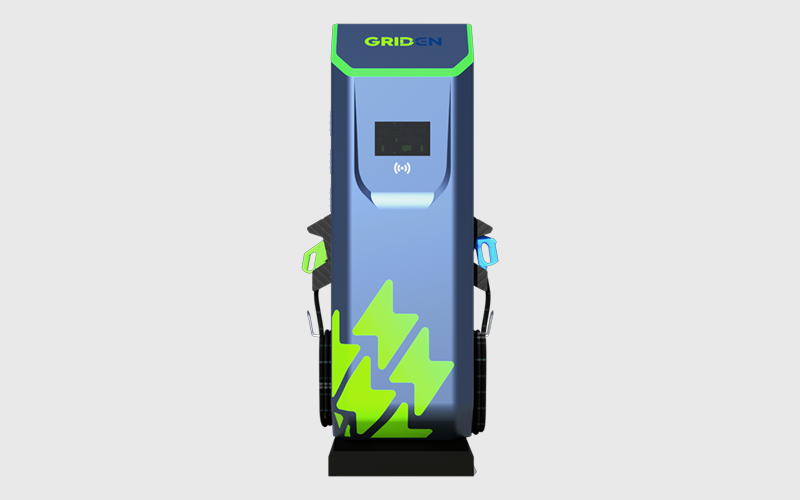
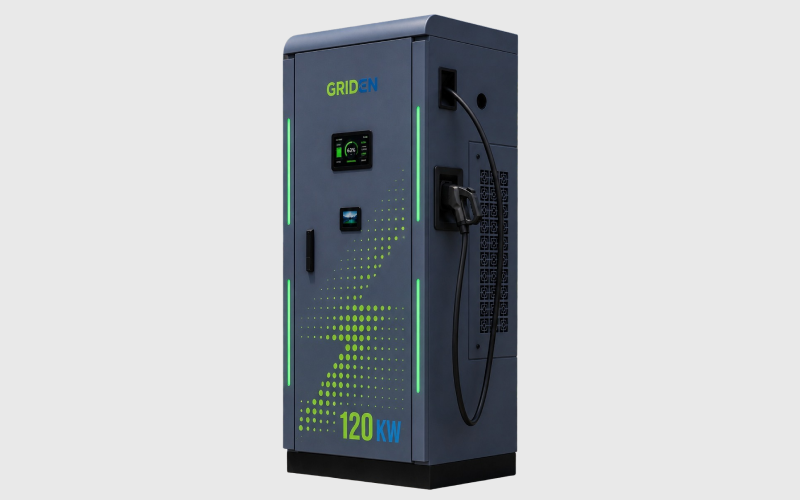
Most charger manufacturers start with a passenger vehicle product and adapt it for fleet use. That approach shows up in reliability, duty cycle ratings, and thermal performance. Our heavy vehicle chargers are designed specifically for the demands fleet operators deal with every day:

Our range covers everything from small electric three-wheeler fleets to 12-metre intercity buses from Tata Motors, Olectra, PMI Electro, and JBM Auto. You get the right power level for your fleet type without overspending on capacity you do not need.

All Griden Power bus depot chargers are OCPP 1.6 and 2.0 compatible. Depot managers see all charging activity, track energy by vehicle and by shift, manage driver access, and get fault alerts from a single dashboard. If you run multiple depots, every location is visible in the same place.

IP55 enclosures, rugged components, and active thermal management keep our chargers running through Indian summers, monsoons, and the continuous duty cycles that depot operations demand. Downtime affects your entire fleet schedule. We design to prevent it.
All models use CCS2 connector standard and support simultaneous multi-vehicle charging. For GSRTC, AMTS, and private bus operators in Gujarat, Griden Power is one of the few manufacturers offering this full range with integrated CMS from a single Gujarat-based supplier.

All chargers across one or multiple depots visible from a single cloud-based dashboard. Track energy by vehicle, by shift, and by location. Session history and charger health status in real time.

Only authorised vehicles and drivers can activate a charger. Every session is logged and attributable. Useful for large depot environments with multiple operators and shift changes.

The system distributes electrical load across active sessions automatically. Grid overload protection built in. Peak demand charges are reduced at depot level, which adds up to meaningful cost savings over time.

Fault diagnosis happens remotely through the CMS before you send anyone to the site. Firmware updates go out over the air. Most routine maintenance issues are resolved without a field visit.

For depots operating as shared or commercial charging hubs, UPI, credit card, and RFID payment is integrated. Third-party fleet billing is supported natively.

GSRTC, MSRTC, KSRTC, UPSRTC and other STUs scaling electric fleet deployment under FAME II and PM E-DRIVE..

AMTS, BMTC, BEST and other city operators who need depot-scale charging for urban electric bus fleets.

Intercity and school bus operators moving to electric fleets who need reliable overnight depot charging.

EV logistics operators with hub-and-spoke distribution who need depot charging at warehouses and distribution centres.

Vehicle manufacturers and dealers setting up customer charging and demo facilities that need heavy-duty infrastructure.

Industrial sites running electric vehicles for material handling, campus mobility, or mining applications.

ISO 9001:2015 Certified

IP55 Rated Enclosures, suitable for outdoor depot environments
OCPP 1.6 and 2.0 Compliant

Startup India Recognised
For city bus operations with overnight charging windows, 60 kW to 120 kW is the practical range. You get a full charge in 60 to 90 minutes. For express operations with tight shift-break windows, 180 kW to 240 kW cuts that significantly. We help you match the charger specification to your actual operational schedule before any purchase is committed.
Yes. All our heavy vehicle chargers use the CCS2 standard, which covers electric buses from Tata Motors, Olectra Greentech, PMI Electro Mobility, JBM Auto, Ashok Leyland, and other OEMs operating in India.
Yes. Our OCPP-based CMS lets you monitor and manage chargers across every depot location from a single dashboard, including energy reports, session logs, fault alerts, and access control. You do not need a separate system per site.
Yes. We have worked on government-backed EV charging infrastructure projects and can support bus depot charging requirements under PM E-DRIVE and FAME II, including documentation and technical specification alignment for tenders. Get in touch and we will walk you through what is needed for your project.
A depot setup with 4 to 10 chargers is typically commissioned within 3 to 6 weeks from site survey to handover, depending on site readiness. We prepare a detailed layout plan and installation timeline as part of the proposal so you know what to expect before work begins.
Tell us about your fleet size, depot locations, and charging schedule. We will get back to you within 24 hours with a tailored proposal.

